
There’s an important detail that is easily misunderstood about electricity and its supply and demand. When it’s used has a tremendous impact. This is a characteristic I hadn’t given much thought about several years ago, which is why it’s not really a surprise to me that so many other people don’t intuit it either.
In an earlier iteration of our company, we thought deeply about the carbon emissions of the grid. And WHEN and WHERE mattered a lot for the relevant emissions characteristics of electric usage. A lightbulb, say 100 watts, used during the day in California, has a very low carbon footprint. Most of the grid is powered with solar and wind. You can use that bulb—any electricity—without much concern for the atmospheric impact of the usage.
But that same bulb, used a few hours later, when the sun has gone down and the wind has died off, requires the same amount of electricity, which needs energy from something. In California, that’s mostly natural gas. Even in a reasonably clean power plant, it’s still emitting carbon. That same bulb, consuming the same electricity, is suddenly responsible for carbon. WHEN the bulb is used matters a lot.
It’s not always WHEN. WHERE can matter, instead. In Washington state, it mostly doesn’t matter when you use the lightbulb. Since much of the electric grid is hydropower, it doesn’t matter when you use the electrons, it’s mostly clean all the time. Similarly, in Kentucky, it doesn’t matter WHEN you use it, The grid is basically always powered by coal, so lumens will always require carbon.
What I found interesting today is that even people who spend a lot of time thinking about things like the emissions footprints of things and electricity haven’t fully internalized the WHEN and WHERE either.
I’d commented to a colleague that I’d like to see a lot of heat pumps installed in a multi-family housing portfolio because it will be helpful with the national electricity capacity shortages, especially due to increased data center loads. He said that adding electric heat pumps would simply be adding load to an already stretched grid.
But that’s not quite right. It’s correct that adding heat pumps will add demand to the electric grid, but the timing of the draw is important in considering whether that specific additional capacity stresses the grid. That’s because the grid is not always stretched to its limit. It’s typically well under its peak capacity.
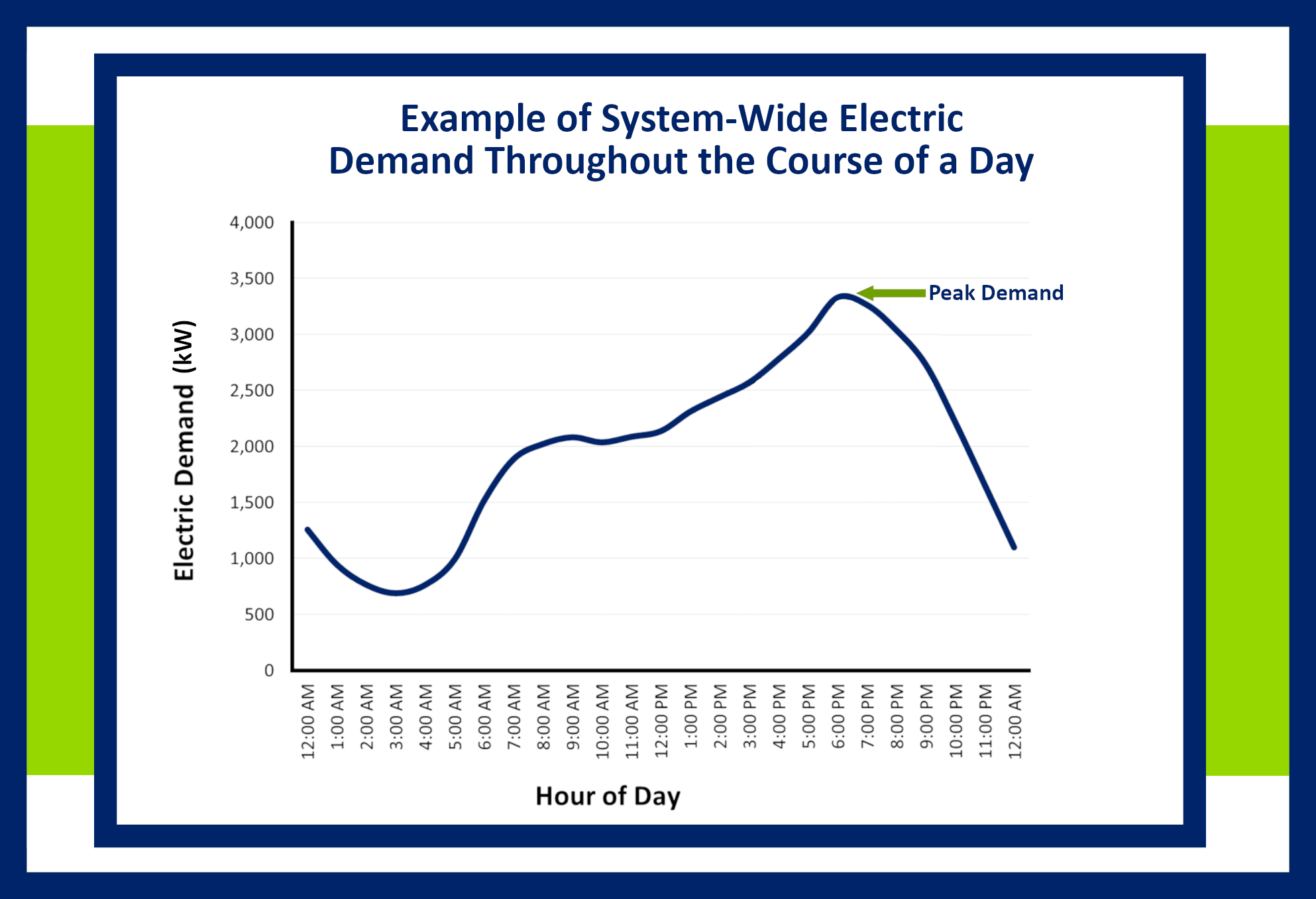
Only at certain times (often in the late afternoon) does the grid reach or exceed its capacity, requiring peaker plants to come online. Heat pumps wouldn’t generally stress the grid at that moment in the day. In fact, the times when the heat pumps would use electricity are most likely the times when the grid has available capacity to use: the grids are operating at less than full demand at the moments homes need to be heated.
Anyway, I thought it was interesting that even people who live in this space fail to completely grasp the time and location meta space.